Social Media, Technology•on December 1st, 2020•Comments Off on Gigabit City, Final Report
Our friends at the Brainzooming Group have released the final report from the seven working teams for Google’s Gigabit City project in Kansas City. The report includes over 60 different applications for gigabit fiber and perspectives from hundreds of civic, business and social media leaders across the commmunity. LightThread’s managing partner, Simon Kuo, authored the section of the report that focuses on the library’s potential opportunties with ultra high speed broadband. Download the free white paper here.
Adcuda has released their video recap of the Gigabit City brainstorming session sponsored by the Social Media Club of Kansas City. LightThread managing partner, Simon Kuo, is featured in this video.
Social Media, Technology•on October 14th, 2020•Comments Off on Simon Kuo Interview Video for Gigabit City
Simon Kuo, LightThread managing partner, was interviewed for the Google Fiber Gigabit City Initiative sponsored by Social Media Club of Kansas City. Here’s the complete video of his comments.
Social Media•on September 30th, 2010•Comments Off on The Numbers Behind Facebook’s “Like” Button
Facebook yesterday posted an analysis of “likers,” those who click the like button on sites using Facebook Friend Connect. This story and Justin Osofsky’s Scrib’d presentation to which it was linked, provided some interesting insights.
When the “Like” button is used on an article, that story is added to Facebook’s search database; it is posted to the user’s profile and it is published to a user’s friends, creating three potential avenues for the story to be found by others.
It’s not surprising then, that adding “Like” has substantially increased both usage and engagement on certain sites. News sites like Gawker have seen about a 200% increase in traffic; SimplyHIred.com has experienced 2.2x more job searches and NHL.com users have read 92% more articles. Sites that place friend’s faces next to the “Like” button have a much higher rate of like button usage than those that do not.
Facebook also provided some interesting numbers on “Likers.” The average Facebook user has 130 friends, but people who use the “like” button have more than 2x more friends. They are also over 5x more likely to browse external content. News readers who use the “like” button have a median age about twenty years younger than the average newspaper reader, or 34 and 54. respectively.
Facebook also published guidelines on which kinds of stories increase engagement. On the top of their list were “touching, emotional stories,” for example “fireman adopts girl orphaned in home fire…” and “passionate provocative debates,” for example, “is it time to ban vuvuzuvas?” Both of these types of stories increased engagement by over 2x.
Other recommendations for publishers included: placing the activity plugin above the fold and on multiple pages, using livestream for live events, creating pages on current events, using search API for visualizations that increase engagement. Additional useful recommendations were given to journalists for using Facebook more effectively.
These statistics and guidelines should be quite useful for those seeking to maximize traffic on their sites.
Social Media•on May 2nd, 2010•Comments Off on Where’s the “Product” in “Social Media?”
Lately it seems like “Social Media” has become “Social Marketing.” Do a Google search on “Social Media” and many of the links lead to marketing related information. Also, I don’t know about you but a sizable number of business Twitter users seem to be pushing social media marketing. But there are many dimensions to social media. It is, after all, merely a collection of online interactive publishing and interpersonal connection capabilities that can be used for many purposes, including customer care, product development, non-marketing communications…the list goes on. Even if one does focus on the marketing aspects of social media, where and when are the discussions on product strategy occurring? If a key approach for social media communications is being authentic, how does one market a bad product using social media? Do you honestly reveal the shortcomings of your product? To market a product authentically and effectively, does the social media strategy planning need to begin with how to engineer great products, followed by how to market them socially in an effective manner? The answer to both of these questions should be “yes.” To frame this simply, think there is a chain of trust that exists that includes product, users/referrers for the product and purchasing decision-makers. If word of mouth marketing results in a sale to a purchaser who is not subsequently happy with the purchase, the chain of trust is broken. And that break might occur with a poor product or a poor word of mouth referral that doesn’t accurately address the needs of the purchaser. What do you think?
Social Media•on April 23rd, 2010•Comments Off on Free State Social
We only have three words for you “Free State Social.” Yup, from nowhere to one of the pre-eminent social media conferences in the midwest. If you aren’t going, you should be. At the very least join the Free State Social TweetUp in downtown Lawrence, Kansas, listed as a Gowalla Trip on the evening of May 29. The list of attendees for this meeting is amazing. The speakers are among some of the most influential in social media circles today. I’m betting there are going to be some scintillating conversations before, during and after the sessions.
Here’s what the meeting will be covering:
•Customer service
•Personal branding
•Blogger outreach
•News coverage
•Location-based social networking
•Future of social media
Chris Brogan has said (from the Free State Social website): “The good stuff is happening in the heart of America. It’s not just New York and LA that know what media can do for business. Lawrence is yet another hotspot of inventive, entrepreneurial spirits who see the new Web as a business tool par excellence.”
We’re going to be there. We hope we see you there too!
It has been a busy few months here at Lightthread. Between launching a new business, winding down some projects and beginning lots of new ones, we’ve been a little derelict with our blogging duties. But on the other hand, it’s important also to recognize that blogging isn’t our business, just one of the many activities associated with it!
A few weeks ago we had the pleasure of hosting Matt Haeck (@matthaeck on Twitter), Randolph Robisno (@randolphrobisno) and Joe Garner (@joegarner) as they made Lightthread offices their Kansas City “Softlegs” tour stop. They had never visited here before and we were happy to show them a few local places like The WestSide Local before they played for an enthusiastic audience.
Matt’s stop was part of our promotion and development effort for Showigniter, an online music service that brings together bands, fans and venues. The system works like this: bands create an offer in any one of 328 markets that Showigniter currently supports, they publish the offer through social media channels like Facebook or Twitter and fans and sponsors pledge to bring the band to that city. No money is paid up front, but if enough money is pledged, the show ignites, the band and venue are paid and the band plays the show. Neat isn’t it?
We hope that a whole bunch of bands that otherwise find the logistics of booking tours cumbersome or frustrating will find the system useful and like Matt, Randolph and Joe, it will enable them to play cities they’ve never visited before. But this system and this new approach to bringing live music to your town won’t succeed without YOU. We love the idea of using Showigniter to book shows in non-traditional venues like house parties and to help bands from the indy music scene who might be still building their fan base to create gigs in places they otherwise wouldn’t have visited.
We are eager to hear your input, so feel free to leave comments!
Our hats also go off to Matt, Randolph and Joe for a fantastic concert!! There’s nothing like hearing their soulful tunes and soaring harmonies with friends in an intimate setting! We highly recommend that you catch them if you are near Nashville or happen to run across them on tour!
Here’s the live video that was recorded during the concert (By the way, early sound problems with UStream are fixed later in the recording)
The earthquake that struck Haiti on January 12 has again highlighted the increasing role of social media channels in major emergencies. Like the 2009 earthquake in China or the Southern California wildfires, information on Haiti is being disseminated through Twitter and Facebook, among other new media sources. In many ways these aren’t channels that replace traditional methods of communication. Rather think about them as channels that can be used to transmit information directly from those who are experiencing the catastrophe in real time, to those who can do things to help in real time, without editing or delay. In addition many traditional news organizations like The New York Times, CNN.com and National Public Radio also use Twitter to publicize their usual news stories and provide up-to-date information.
Lisa Qualls, LightThread’s chief development officer and current president of social media club, Kansas City, was recently interviewed by Action News on the topic.
These new channels have advantages and disadvantages. The information that is sent is fast and real-time. Because it is unfiltered it can also be misleading and incomplete. Balancing traditional and social information sources provides the best comprehensive approach whether one is mobilizing help, sending information to sources of aid, or simply keeping up to date on what is happening somewhere.
Besides communication social media is also being used to raise funds for disaster relief. Celebrities are using social media to publicize their giving efforts and Wyclef Jean’s use of Twitter through his Yele Foundation has been widely publicized. More traditional disaster relief organizations offering the ability to share their messages of giving through social networking sites like Twitter and Facebook and texting are also relatively new. Two examples of the latter include mGive and The Mobile Giving Foundation which are both communicating and facilitating contributions to the Red Cross for Haiti disaster relief.
Although convenient, these methods are sometimes not as quick as they seem, nor as easy. For example, the Salvation Army found that although they had received $50,000 for Haiti Relief from Canadian citizens by Thursday, two days after the disaster, three times the amount was originally sent to them through text messages, but only a third of those texting confirmed the donation with the required follow up texts; also, the process for depositing the money in Red Cross bank accounts can take up to 90 days.
A final concern associated with the newness and rapidity of social media effected contributions to disaster relief is its use by the unscrupulous to run disaster relief scams. The following tips have been offered by the FBI to assist consumers in detecting Haiti disaster relief scams:
Do not respond to any unsolicited (spam) incoming e-mails, including clicking links contained within those messages.
Be skeptical of individuals representing themselves as surviving victims or officials asking for donations via e-mail or social networking sites.
Verify the legitimacy of nonprofit organizations by utilizing various Internet-based resources that may assist in confirming the group’s existence and its nonprofit status rather than following a purported link to the site.
Be cautious of e-mails that claim to show pictures of the disaster areas in attached files because the files may contain viruses. Only open attachments from known senders.
Make contributions directly to known organizations rather than relying on others to make the donation on your behalf to ensure contributions are received and used for intended purposes.
Do not give your personal or financial information to anyone who solicits contributions: Providing such information may compromise your identity and make you vulnerable to identity theft.
We are preparing to meet with a potential new client who happens to be in the franchise business. They are evaluating overhauling their brand to address some PR challenges they have faced the past year. Before we can help them, we need to learn more about them. In order to brainstorm social media strategy options, we need to establish a baseline of performance, process, and expectations.
We put together the following agenda list for our first meeting together. If you are thinking about creating a social media strategy, you may want to consider answering these questions first. Please keep in mind this list was created for a company who is recruiting franchises so if this is not applicable to you then please replace “franchise” with “customer.” Also, the list was created for a specific client in mind, depending on certain factors the questions may be altered. If you’re not sure what to do once you have your answers, then please give us a call, we would love to help you!
1. Messaging
b.What is the brand identity they want created?
c.When people hear your company, what do they want those people to think?
d.Is their primary purpose to recruit new franchises, engage with existing franchises or make the general public aware of the company services?
2.Resource availability
a.What resources are used today for marketing and customer/franchise service?
b.Do they have a resource available to write blog posts, update facebook (I saw that there last update was in November), comment on forums?
c.Do their resources fully understand the online landscape? Are they aware of how to identify, engage and manage top influencers?
d.Do they have the tools and metrics available to monitor and measure progress?
3.Customer engagement
a.How do they address customer/franchise service today? Do they have an 800 number? Email?
b.Are they prepared to appropriately engage with negative sentiment?
c.Do they have a process to respond digitally to requests/comments?
d.What is their expectation regarding timely responses?
4.Marketing
a.What marketing are they doing today?
b.Are they participating in online marketing such as Pay Per Click, Banner Ads, Facebook ads, etc?
c.What marketing support do they provide to Franchises?
d.Do they offer promotions/discounts/contests? If so, how often?
e.Do they sponsor anything?
5.Franchise Recruitment/Support
a.Do they include online marketing as part of the marketing support to Franchises?
b.Do they offer a specific site/resource portal/discussion board for Franchises?
c.How are they targeting/recruiting Franchises?
d.How often do they pro-actively check-in with Franchises?Messaging:
1. Messaging
What is the message you are trying to convey?
What is the brand identity you want created? What are your brand attributes?
When people hear (your company name), what do you want those people to think?
Is your primary purpose to recruit new franchises, engage with existing franchises or make the general public aware of the company services?
2. Resource availability
What resources are used today for marketing and customer/franchise service?
Do you have a resource(s) available to write blog posts, update facebook (I saw that there last update was in November), comment on forums?
Do you resources fully understand the online landscape? Are they aware of how to identify, engage and manage top influencers?
Do you have the tools and metrics available to monitor and measure progress?
3.Customer engagement
How do you address customer/franchise service today? Do you have an 800 number? Email?
Are you prepared to appropriately engage with negative sentiment?
Do you have a process to respond digitally to requests/comments?
What is your expectation regarding timely responses?
4.Marketing
What marketing are you doing today?
What is your marketing mix?
Are you participating in online marketing such as Pay Per Click, Banner Ads, Facebook ads, etc?
What marketing support do you provide to Franchises?
Do you offer promotions/discounts/contests? If so, how often?
Do you sponsor anything?
5.Franchise/Recruitment Support
Do you include online marketing as part of the marketing support to Franchises?
Do you offer a specific site/resource portal/discussion board for Franchises?
How are you targeting/recruiting Franchises?
How often do you pro-actively check-in with Franchises?
We hope this helps give you a jump start to considering how you can adopt social media in to your business model. As always feel free to give us a call if you want to learn more.
Social Media•on October 13th, 2009•Comments Off on Simon Kuo, LightThread CEO, to Speak at Highlight Midwest
(Kansas City, Missouri) – Entrepreneurship, networking and the opportunity to collaborate will be three areas of focus for the second annual Highlight Midwest, scheduled for October 23, 2009 in Des Moines, Iowa. Over 200 participants are expected for the conference. Drawing from the four states of Kansas, Missouri, Iowa and Nebraska, this barcamp-themed meeting will feature some of the most innovative companies in the midwest demonstrating new applications and talking about technology and startups outside of the east and west coasts. Simon Kuo, Ph.D., CEO of LightThread, LLC, a Kansas City-Crossroads area strategy, social media and web development company is scheduled to deliver one of three keynote addresses at the conference.
“This meeting is one of the best I’ve attended as far as meeting other entrepreneurs in a setting that encourages future collaboration.” said Dr. Kuo, “When starting a new business one of your greatest assets will be the partnerships you create with similarly-minded people. I really valued the ideas that were generated from last year’s sessions and I’m looking forward to this year’s event.”
Other companies featured in the day long conference include Dwolla, a web application that allows users to send and receive money, graffititracker, a system to track graffiti for law enforcement and whatthehashtag, the online wiki for Twitter hashtags. Mike Draper, a longtime Iowa-based small business and startup advocate will be another featured speaker.
About LightThread – LightThread, LLC, established in 2008, is a next generation strategy, interactive services and web development firm specializing in optimizing business performance and brand. Through the use of strategy, social media, technology and integrated marketing development, LightThread assists businesses in reaching the next level. For more information about LightThread, LLC please visit: http://www.lightthread.com
Contact: Lisa Qualls (816) 298-9913. email: lisa@lightthread.com
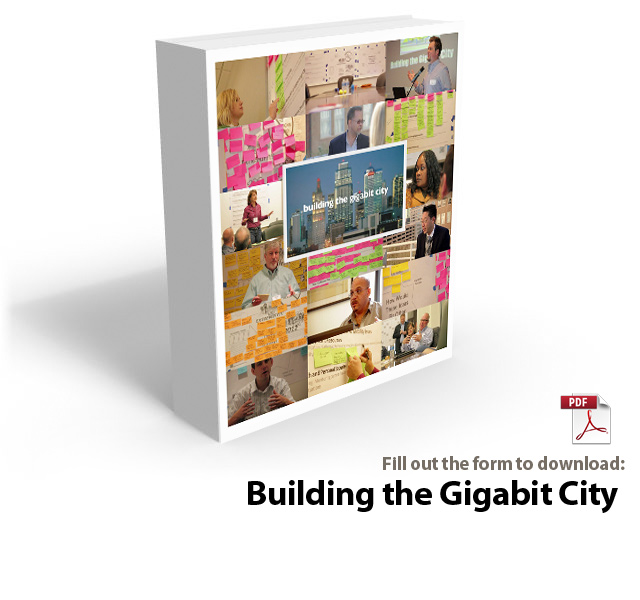 Our friends at the Brainzooming Group have released the final report from the seven working teams for Google’s Gigabit City project in Kansas City. The report includes over 60 different applications for gigabit fiber and perspectives from hundreds of civic, business and social media leaders across the commmunity. LightThread’s managing partner, Simon Kuo, authored the section of the report that focuses on the library’s potential opportunties with ultra high speed broadband. Download the free white paper here.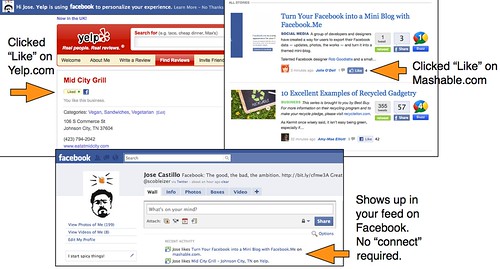
 Lately it seems like “Social Media” has become “Social Marketing.” Do a
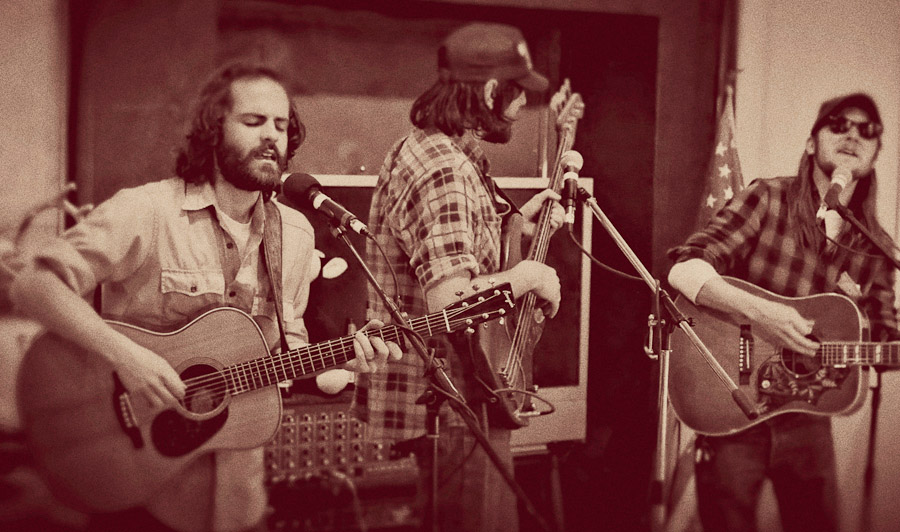 A few weeks ago we had the pleasure of hosting Matt Haeck (@matthaeck on Twitter), Randolph Robisno (@randolphrobisno) and Joe Garner (@joegarner) as they made Lightthread offices their Kansas City “Softlegs” tour stop. They had never visited here before and we were happy to show them a few local places like